

Blog
Why Athletes Shouldn't Skip Meals
Why Regular Eating is the Key to Performance Enhancement and Debunking the Breakfast Myth.
Read now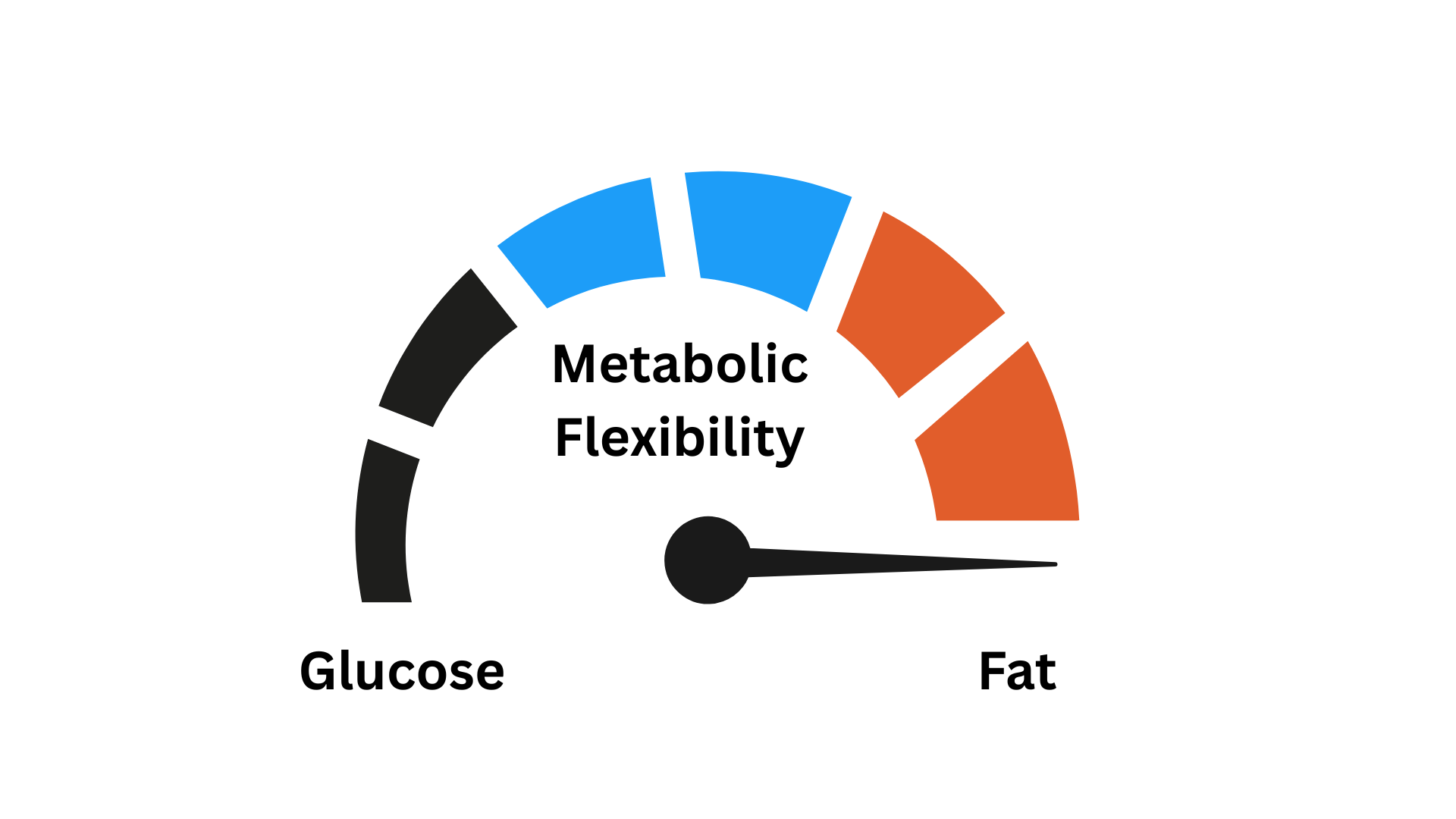

Metabolic flexibility is a common topic. in fact, the more flexible we are in life, the easier it is to handle challenges, short-term changes, or situations that require a shift. Our body also needs to be able to switch and should be flexible.
In substrate metabolism, being flexible means the body can smoothly switch between carbohydrate and fat metabolism. This allows it to efficiently provide energy in the most appropriate form at any given moment. As a result, we can enhance performance and delay fatigue by managing our energy reserves very efficiently.
This flexibility can be trained, particularly through a sufficient amount of low-intensity training sessions and appropriate nutritional strategies. By effectively training your fat-burning capacity, you can conserve your carbohydrate reserves for later during moderate intensity, or only utilize them at higher intensities.
The amount of carbohydrates needed depends on the intensity of the session. For improved metabolic flexibility, it's not necessary to generally avoid carbohydrates or severely restrict them at all times.
We don't improve metabolic flexibility through extreme methods, but through long-term consistent training.
Constantly training low-carb does not lead to optimal adaptation, as sufficient carbohydrate intake is crucial in some training sessions. At low intensity, the body primarily uses fat as an energy source. At high intensity, the demand for readily available energy – carbohydrates – increases. Well-trained athletes can work efficiently for longer without prematurely depleting their glycogen stores.
Your metabolic efficiency is often analyzed through performance diagnostics. In my coaching of athletes, this is an important aspect that I also take into account in my nutrition planning.
Why good metabolic flexibility is also relevant to you
Good metabolic flexibility can
However, metabolic efficiency is not only relevant for competitive athletes. It is now also considered in medicine because it is a valuable factor in relation to the prevention and presence of chronic diseases.
Chronic Underfuelling ("train low"): Many permanently reduce their carbohydrate intake, thereby worsening regeneration, training quality, and long-term performance development.
Excessive focus on maximum fat burning: Metabolic flexibility does not mean exclusively burning fat. Performance comes from the ability to flexibly switch between both energy systems.
Training in "no man's land": Many consistently train too hard for easy sessions and at the same time not hard enough for true high intensity. As a result, both aerobic adaptations and high-quality peak stimuli are lacking.
Too few carbohydrates around intensive sessions: Those who train hard sessions with insufficient fuelling limit performance, adaptation, and recovery.
Confusing fat loss with metabolic health: More fat burning does not automatically mean better fitness or health. Overall performance is crucial.
Inconsistency and insufficient training volume: Metabolic adaptations arise from long-term consistency – not through extremes and "quick fixes".
Excessive reliance on technology: Wearables and performance data can support, but they do not replace a solid training structure and body awareness.
With a diet adapted to your training program and supporting the goals of individual sessions, metabolic flexibility is automatically improved. A well-planned training program that provides sufficient space for low-intensity training, simultaneously creates enough room for regeneration, and includes high-intensity efforts, sets a good foundation. With adapted carbohydrate intake, appropriate recovery strategies through targeted energy and substrate supply, and a nutrient-rich diet, the body can significantly improve its metabolic flexibility.
Ang, JC et. al. (2025). Perspectives on whole body and tissue-specific metabolic flexibility and implications in cardiometabolic diseases. Cell reports. Medicine, 6(9), 102354. https://doi.org/10.1016/j.xcrm.2025.102354.
Lovell, DI et al. (2025). Is maximal oxygen consumption an appropriate metric for metabolic health?. European journal of applied physiology, 125(9), 2409–2413. https://doi.org/10.1007/s00421-025-05875-2.
San-Millán I & Brooks, GA (2018). Assessment of Metabolic Flexibility by Means of Measuring Blood Lactate, Fat, and Carbohydrate Oxidation Responses to Exercise in Professional Endurance Athletes and Less-Fit Individuals. Sports medicine (Auckland, N.Z.), 48(2), 467–479. https://doi.org/10.1007/s40279-017-0751-x.
Shoemaker, ME et al. (2023). Metabolic Flexibility and Inflexibility: Pathology Underlying Metabolism Dysfunction. Journal of clinical medicine, 12(13), 4453. https://doi.org/10.3390/jcm12134453.
