
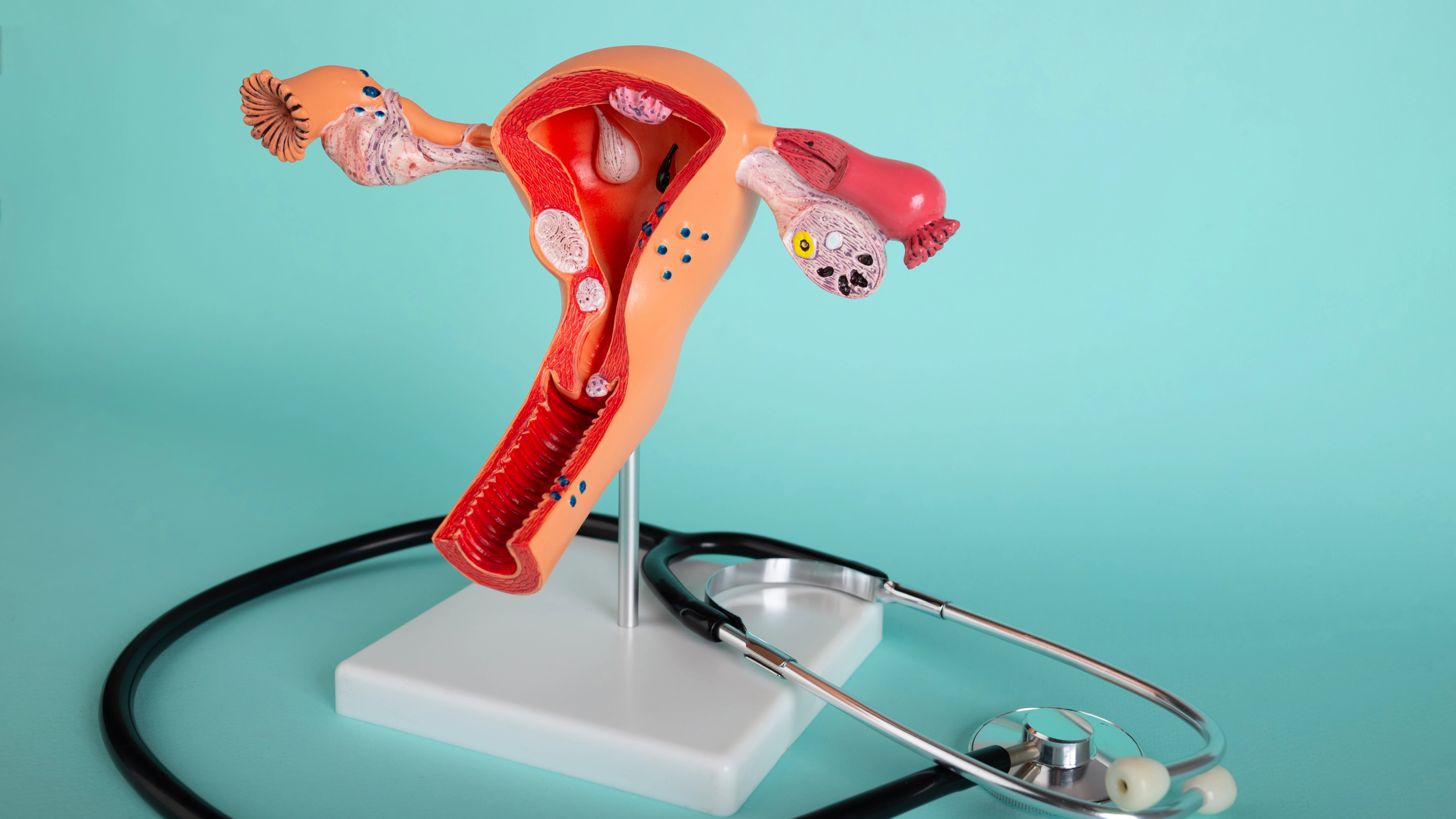

Endometriosis is a chronic inflammatory condition in which tissue similar to the lining of the uterus is found outside the uterus. The condition can affect various parts of the body and its progression can vary significantly. Not every athlete experiences the same symptoms – and the intensity of the pain does not necessarily reflect the extent of the disease.
What symptoms can occur?
Possible signs include:
- very painful periods
- exceptionally long or heavy bleeding
- pain in the lower abdomen, pelvis, or lower back
- pain during bowel movements or urination
- diarrhea, constipation, nausea, or other digestive issues
- pain during intercourse
- fatigue and exhaustion
- difficulty conceiving
Not every affected athlete experiences all these symptoms. If pain, exhaustion, or other issues make it difficult to manage training, competitions, or daily life as usual, you should not simply accept it.
Endometriosis can significantly impact athletic participation.
What does this mean for training and nutrition?
Endometriosis cannot be cured through diet or exercise. However, there are various ways to manage symptoms and managing the condition better. While a good diet can be supportive, the most important thing for athletes is ensuring an adequate supply of energy and nutrients.
1. Sufficient energy
Training requires energy – and the body also needs energy for recovery, hormonal functions, and other vital processes. Therefore, a balanced, anti-inflammatory diet must not lead to an energy deficit, as this can be dangerous (REDs)
→ sufficient carbohydrates
→ sufficient protein
→ sufficient fat
→ sufficient fluids
Don't focus on eating as little as possible – focus on fueling your body as well as possible.
2. Eat a colorful and varied diet
A varied diet with plenty of plant-based foods provide fiber, vitamins, minerals, and phytochemicals.
Include regularly:
- Vegetables
- Fruit & berries
- Legumes
- Whole grain products
- Nuts & seeds
- Herbs & spices
This is not about a specific "endometriosis diet," but rather a diet that is as varied as possible, balanced, and tailored to your training.
There is no scientific data to support any specific popular "endometriosis diet."
3. Omega-3 fatty acids
Omega-3 fatty acids are involved in the regulation of inflammatory processes. Good food sources include: salmon, mackerel, sardines, herring, walnuts, walnut oil, flaxseeds, and flaxseed oil. Supplementation may be useful in certain situations, but should be assessed on an individual basis.
4. Support gut health & digestion
Gut issues can occur with endometriosis. A good foundation consists of whole-food nutrition, fiber, sufficient fluids, and exercise.
For example, through:
- Vegetables and fruit
- Whole grain products
- Legumes
- Nuts and seeds
But be careful: if you experience bloating, diarrhea, or constipation, "more fiber" is not automatically the solution. Individual tolerance is the deciding factor.
5. Focus on iron & vitamin D
Iron intake should be monitored, especially in cases of heavy or prolonged bleeding. Depending on the situation, blood tests can be useful to identify a deficiency. Vitamin D levels can also be checked and supplemented as needed. However, as a general rule, you should not take supplements without a specific reason.
6. Anti-inflammatory, but still enjoy your food
A good foundation:
- plenty of plant-based variety, high-quality fats
- sufficient protein
- few highly processed foods
Examples: olive oil, fatty fish, nuts and seeds, vegetables & fruit, whole grain products, legumes, herbs, and spices. At the same time, no foods need to be avoided across the board. What worsens or improves symptoms can vary greatly from person to person.
What about supplements?
There is preliminary research on various supplements for endometriosis – including omega-3, vitamin D, vitamin C, ginger, NAC, melatonin, and other substances. The body of evidence is, however, not the same for all substances good, which is why the rule is: use supplements strategically, not indiscriminately. It is best to discuss this individually with a doctor and/or a qualified nutrition professional.
Further reading:
L'Heveder, A., Roberts, R. E., Hassan, A. et al. (2026). Considerations of Fertility in Elite Sportswomen: A Narrative Review. BJOG: An International Journal of Obstetrics and Gynaecology, 133(1), 5–17. doi: 10.1111/1471-0528.18283.
Endometriosis Foundation of America https://www.endofound.org/
Sims, S. T., Kerksick, C. M., Smith-Ryan, A. E., et al. (2023). International society of sports nutrition position stand: nutritional concerns of the female athlete. Journal of the International Society of Sports Nutrition, 20(1), 2204066. doi: 10.1080/15502783.2023.2204066.
