
Blog
Metabolic Flexibility - Why Athletes Need More Than Just Fat Burning
Increased performance through metabolic flexibility. What athletes really should know
Read now

Fat oxidation, fat metabolism, and fat loss… three terms that are often used interchangeably, even though they describe different processes. In sports, in particular, this confusion leads to recommendations that sound logical at first glance but don't necessarily produce the desired effect. Training as long and slowly as possible, exercising on an empty stomach, or cutting carbohydrates: there are many seemingly simple strategies surrounding the topic of fat burning, but what is actually happening in the body? And what is truly effective when it comes to improving fat metabolism or reducing body fat?
Fat burning is not the same as fat metabolism
To understand the connections, it is worth making a distinction first:
Fat oxidation refers to the oxidation of fatty acids for energy production. How much fat the body uses during physical exertion depends on factors such as training intensity, duration, fitness level, and energy availability.
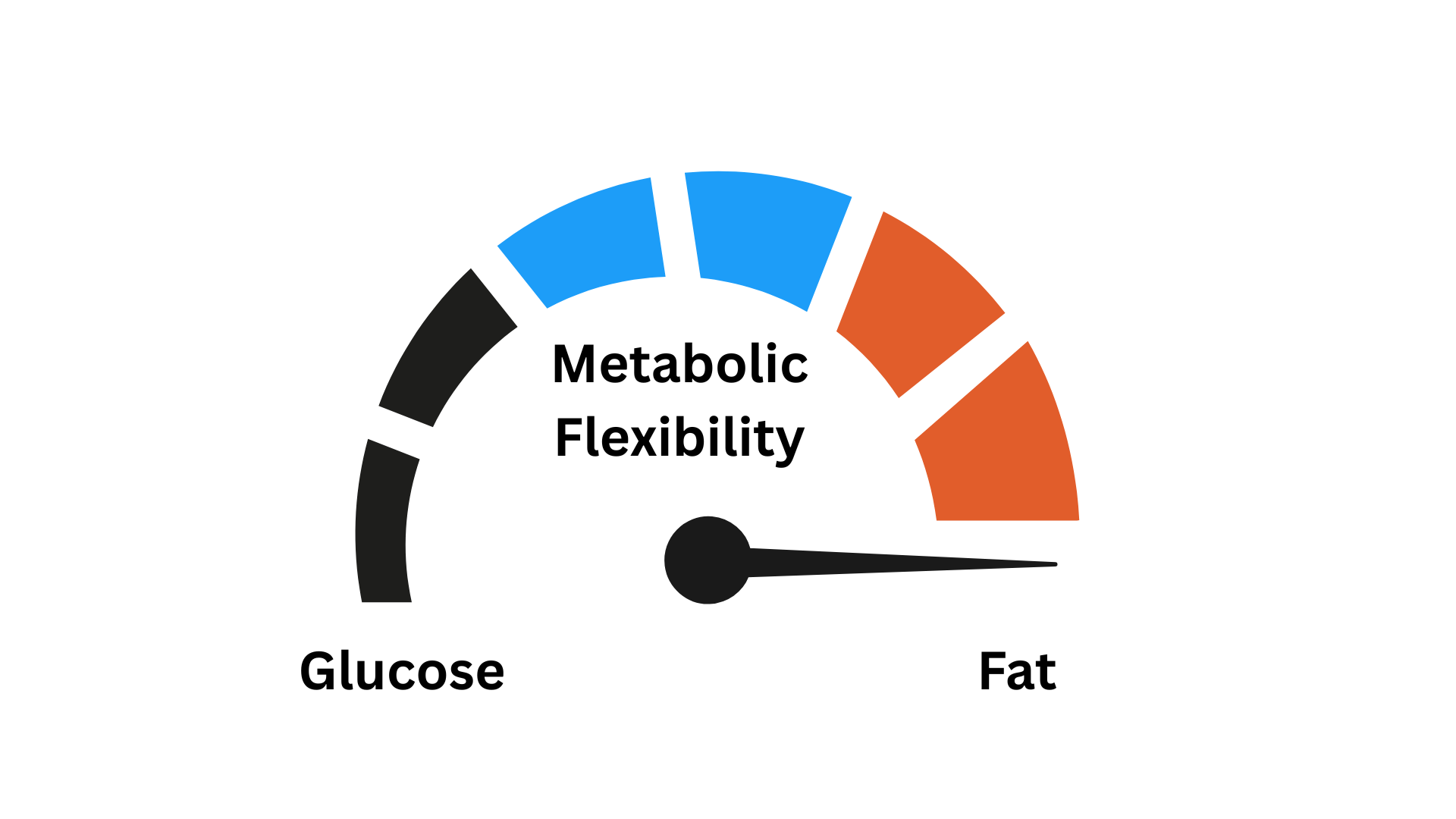
Fat metabolism encompasses the processes by which fats are mobilized, transported, and made available for energy production. In sports, a well-developed fat metabolism specifically describes the muscles' ability to efficiently use fatty acids as an energy source. This is particularly important during longer endurance activities, as it helps conserve limited carbohydrate stores.
Body fat loss is something else entirely: it describes the reduction of existing fat mass and is primarily influenced by the energy balance over a longer period of time.
These three processes are related, but they are by no means the same thing.
In fact, the relative proportion of fat burning is usually higher at low to moderate exercise intensities than during intense exertion. As intensity increases, the importance of carbohydrates grows because they can provide energy more quickly. It is often concluded from this that slow training is particularly effective for fat loss. However, that is an oversimplification: a higher percentage of fat used for energy during a workout does not automatically mean that more body fat is lost in the long run. Furthermore, intense training sessions are important for developing performance and training adaptations . Anyone who trains exclusively at a slow pace just to burn as much fat as possible may be missing out on important training stimuli.
Even with fasted training , the body often relies more on fat as an energy source during exercise. Fat burning is frequently elevated, especially after an overnight fast. However, this does not necessarily translate to greater long-term body fat loss. The body adjusts its energy supply throughout the rest of the day. While fasted training can be a targeted training tool in some cases, it is not a prerequisite for successful fat loss. High-intensity training sessions, in particular, should not generally be performed in a fasted state, as limited energy and carbohydrate availability can impair training quality and recovery.
Carbohydrates are not the enemy of fat burning
Lower carbohydrate availability can lead the body to use more fat for energy. However, this does not automatically mean that fat metabolism improves in the long term or that more body fat is lost. In sports, carbohydrates are an essential energy source for maintaining the quality of intense workouts. Restricting them permanently or at the wrong time can hinder performance development and recovery. Therefore, the key is a adjusted intake tailored to training volume and intensity.
There is no single training method or nutritional strategy that determines everything. Instead, several factors work together:
→ Regular endurance training: It promotes muscular adaptations, including improved mitochondrial capacity and, consequently, the ability to use fat for energy.
→ Strength training and sufficient protein: These support the maintenance and building of muscle mass. This is particularly important when the goal is to reduce body fat at the same time.
→ Adjusted energy intake: A moderate energy deficit is necessary for long-term fat loss. However, excessive restriction can promote muscle loss, poorer recovery, and health issues. Drastically reducing carbohydrates can also increase the risk of low energy availability and REDs .
→ Sleep and Recovery: Too little sleep can affect hunger and appetite and impair recovery.
→ Consistency: Sustainable nutrition and training habits are more effective than short-term strategies like extreme calorie restriction or chronic training with low energy availability.
This distinction is particularly important in sports. A well-developed fat metabolism can, for example, make a valuable contribution to performance in endurance sports by improving the utilization of fatty acids and sparing carbohydrate stores. Those who want to reduce their body fat percentage, however, are pursuing a different goal. Here, the focus is on a sustainable energy balance, maintaining muscle mass, and ensuring an adequate supply of energy and nutrients. Both goals can complement each other, but they should not be confused. It is crucial to tailor training and nutrition to the specific goal. A high-performing fat metabolism is built through regular training adaptations and sensible energy intake. Sustainable fat loss, on the other hand, requires a long-term, appropriate energy balance.
So, it is not about burning as much fat as possible during every training session, but rather about fueling and training the body so that it remains high-performing and can adapt over the long term.
McArdle WD et al. (2014). Exercise Physiology: Nutrition, Energy, and Human Performance. LWW, 9th edition.
Murray B & WL Kenney (2026). Practical Guide to Exercise Physiology: The Science of Exercise Training and Performance Nutrition. Human Kinetics, 3rd edition.
