
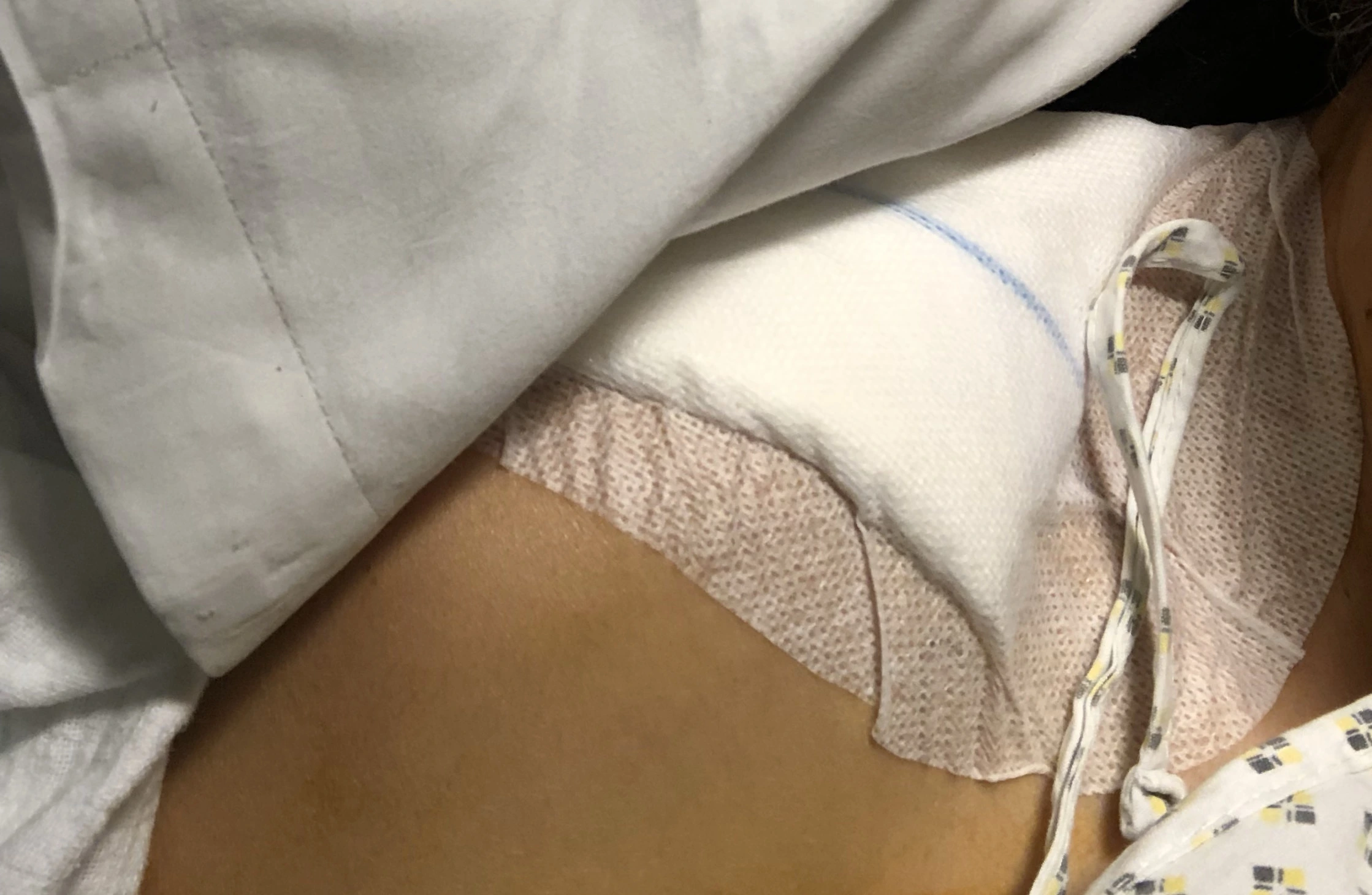

An injury puts the body under stress and triggers a complex healing process. Tissue is repaired and rebuilt, muscle mass needs to be maintained, and the immune system is working at full capacity. All these processes require energy and nutrients.
That is why an injury is not the right time for severe calorie restriction. Even if you are training less, your body still needs energy for healing and rehabilitation.
Insufficient energy intake can promote muscle loss and impair regeneration and repair processes.
What does the body need?
Especially in the first phase after an injury, energy requirements are increased despite a lower activity level. The body invests a great deal in its recovery. In addition, numerous nutrients and adequate intake play a significant role.
Protein – for building and maintenance
Protein provides the building blocks for muscles and tissue. Especially when movement is reduced, an adequate and regular protein intake is important to maintain muscle mass as effectively as possible.
Good sources: dairy products, eggs, fish, meat, legumes, tofu, nuts, and seeds.
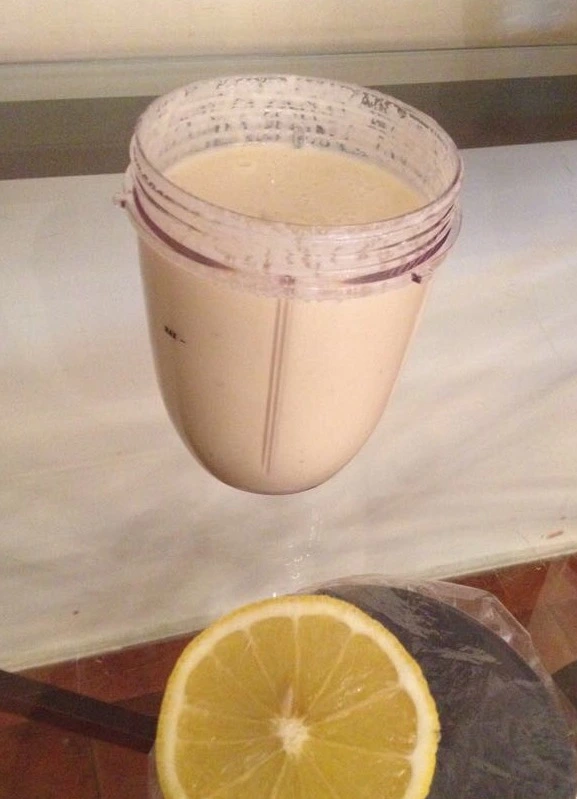
Carbohydrates – an important energy source
Carbohydrates should not be unnecessarily restricted during an injury. They provide energy and, together with protein, support the maintenance of muscle mass.
Good sources: oats, bread, rice, pasta, potatoes, fruit, and legumes.
Fats – energy and essential fatty acids
Fats provide energy and important fatty acids that also have an anti-inflammatory effect (especially omega-3).
Good sources: nuts and seeds, olive and rapeseed oil, avocado, and fatty fish.
Vitamins and minerals
A varied diet provides many micronutrients essential for the immune system, bone health, blood formation, and tissue regeneration. Vitamin C, vitamin D, calcium, iron, zinc, and magnesium are particularly relevant.
If there is no deficiency, supplementation provides no additional benefits and does not accelerate the healing process.
A diverse diet is more important than individual "superfoods" or high-dose micronutrient supplements: fruits and vegetables, whole grains, legumes, dairy products or suitable alternatives, nuts and seeds, as well as fish, eggs, or meat can all contribute to a well-rounded intake.
Additional supplements for healing?
Collagen, creatine, omega-3, and vitamin D are frequently discussed in the context of injuries. While some approaches are interesting, scientific evidence specifically for injured athletes remains limited, and their use is only necessary or advisable in specific cases. Therefore, a balanced diet should always be the foundation. Supplements can be useful in the event of a proven deficiency or in certain individual situations, but they cannot replace an adequate intake of energy and nutrients.
The most important message: training less does not automatically mean eating much less.
Especially during an injury, the body needs sufficient energy, protein, and micronutrients to repair tissue, maintain muscle mass, and support the immune system. Eat regularly. Consume enough energy. Distribute protein intake throughout the day. Eat a varied and nutrient-rich diet. Stay well-hydrated, because while nutrition cannot replace effective rehabilitation, it can provide the body with the energy and building blocks it needs to recover.
Further reading:
Giraldo-Vallejo JE, Cardona-Guzmán MÁ, Rodríguez-Alcivar EJ, Kočí J, Petro JL, Kreider RB, Cannataro R, Bonilla DA. Nutritional Strategies in the Rehabilitation of Musculoskeletal Injuries in Athletes: A Systematic Integrative Review. Nutrients. 2023 Feb 5;15(4):819. doi: 10.3390/nu15040819.
Papadopoulou SK. Rehabilitation Nutrition for Injury Recovery of Athletes: The Role of Macronutrient Intake. Nutrients. 2020 Aug 14;12(8):2449. doi: 10.3390/nu12082449.
Kozjek NR, Tonin G, Gleeson M. Nutrition for optimising immune function and recovery from injury in sports. Clin Nutr ESPEN. 2025 Apr;66:101-114. doi: 10.1016/j.clnesp.2025.01.031.
