
Blog
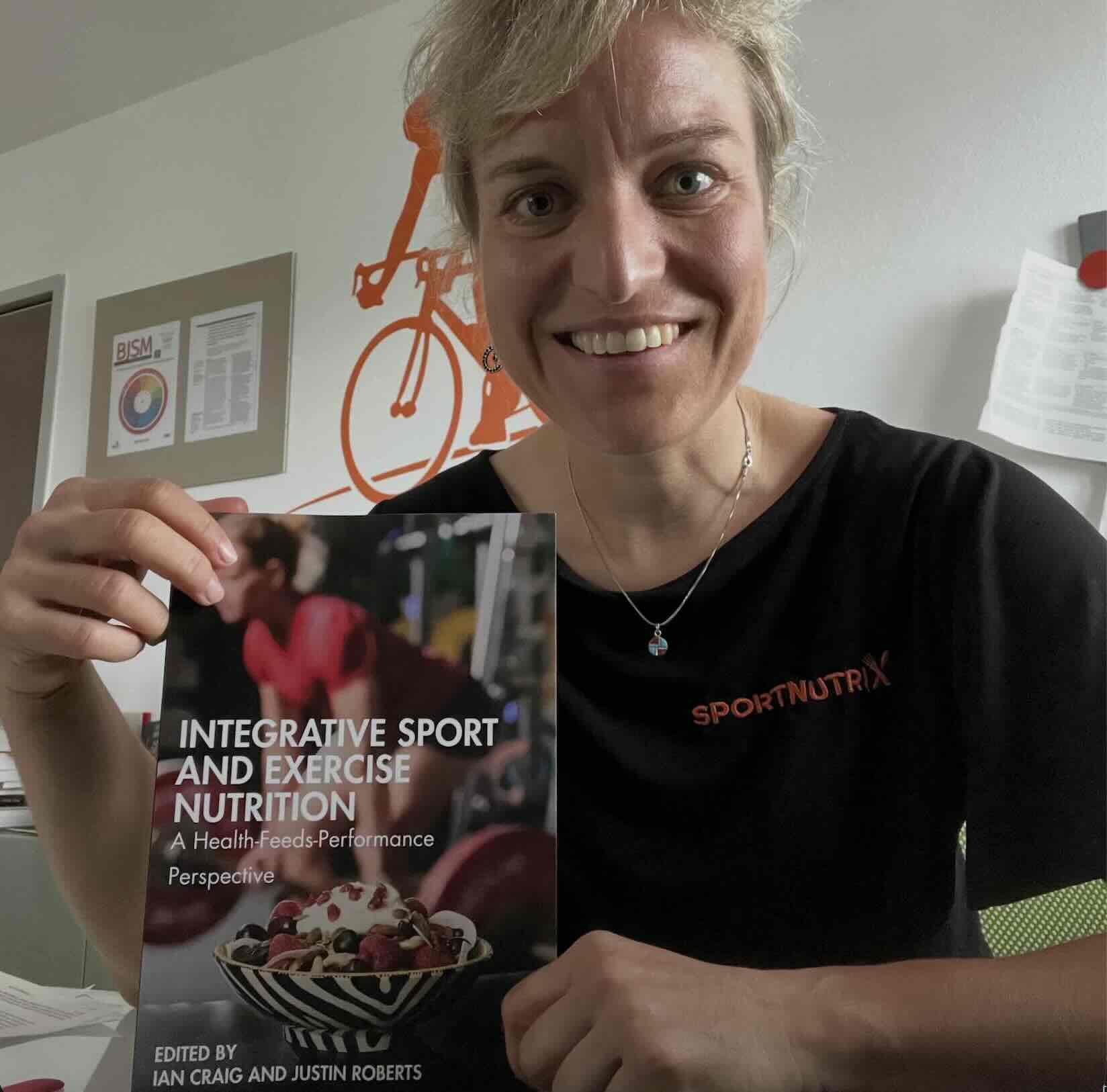
New book Integrative Sport and Exercise Nutrition released
It's finally here, the new book on sports nutrition with a very exciting content structure.
Read now

They're everywhere. Electrolytes! They supposedly promote well-being, help with sleep problems, and boost performance. In recent years, the topic of "electrolytes" has really taken off, and as an athlete, you sometimes wonder: How much do I need for my training? Am I getting enough?
Electrolytes like sodium, potassium, magnesium, calcium, and chloride are important minerals that support muscle function, fluid balance, and nerve activity, among other things. The body cannot produce them itself, meaning we must consume them through food. Most people already get enough through their normal diet. Among other things, our kidneys are responsible for regulating the body's electrolyte balance.
During longer or particularly sweat-inducing workouts, however, the body primarily loses sodium through sweat. The more intense and prolonged the exertion, the greater this loss can be. For so-called "salty sweaters" – individuals who sweat out an above-average amount of salt – targeted electrolyte supplementation can be beneficial. Sodium loss, in particular, can be significant with salty sweat. We also lose magnesium and other electrolytes, but in comparatively very small amounts.
Excessive intake can cause problems.
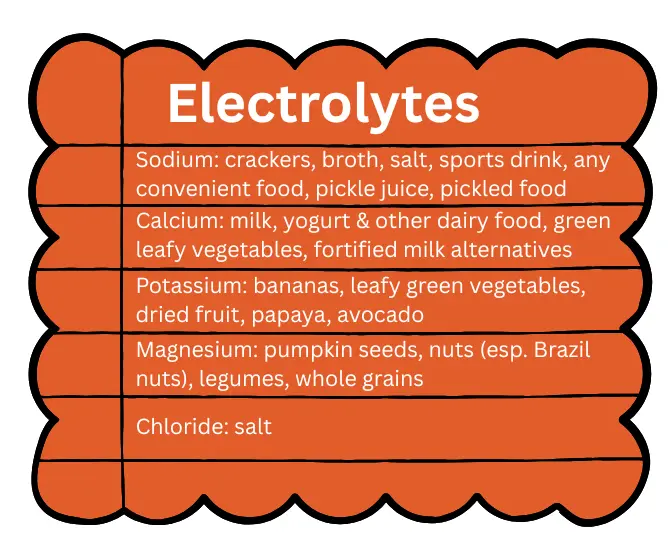
So far, there is little evidence that additional electrolyte supplementation enhances performance. Most people can cover the loss through their normal diet. For example, a small handful of pumpkin seeds already provides a good amount of magnesium, which can effectively compensate for the loss. Lost calcium can be replaced by cocoa or banana milk after exercise. Exceptions include very long competitions and very extreme climatic conditions (extreme heat or very humid conditions). In these cases, sodium intake will be particularly important to prevent hyponatremia (low sodium levels). The recommended intake is approximately 500-700 mg/l.
More intake is not always better. Athletes are increasingly using salt tablets during training. These are usually not necessary, as many foods contain salt, and losses can be compensated for without these products. A handful of salty crackers and fresh fruit after exercise can already replace electrolyte losses, without any electrolyte solution. Furthermore, we should not forget that too much salt can also cause side effects: nausea, cramps, water retention, diarrhea.
Electrolytes are not miracle cures.
Not everyone needs special electrolyte drinks. For many recreational athletes, water and a balanced diet are perfectly sufficient. However, those who undertake long training sessions, train and compete in high temperatures, or sweat heavily can benefit from additional sodium to support fluid intake and prevent performance decline.
Conclusion: Electrolytes are not a miracle cure, but a useful tool for endurance athletes. Training duration, intensity, weather conditions, and individual sweat rate are crucial. Those who understand their needs can tailor their intake accordingly – leading to a more relaxed and effective performance.
American College of Sports Medicine, Sawka, M. N., Burke, L. M., Eichner, E. R., Maughan, R. J., Montain, S. J., & Stachenfeld, N. S. (2007). American College of Sports Medicine position stand. Exercise and fluid replacement. Medicine and science in sports and exercise, 39(2), 377–390. https://doi.org/10.1249/mss.0b013e31802ca597.
Belval, L. N., Hosokawa, Y., Casa, D. J. et al. (2019). Practical Hydration Solutions for Sports. Nutrients, 11(7), 1550. https://doi.org/10.3390/nu11071550.
